
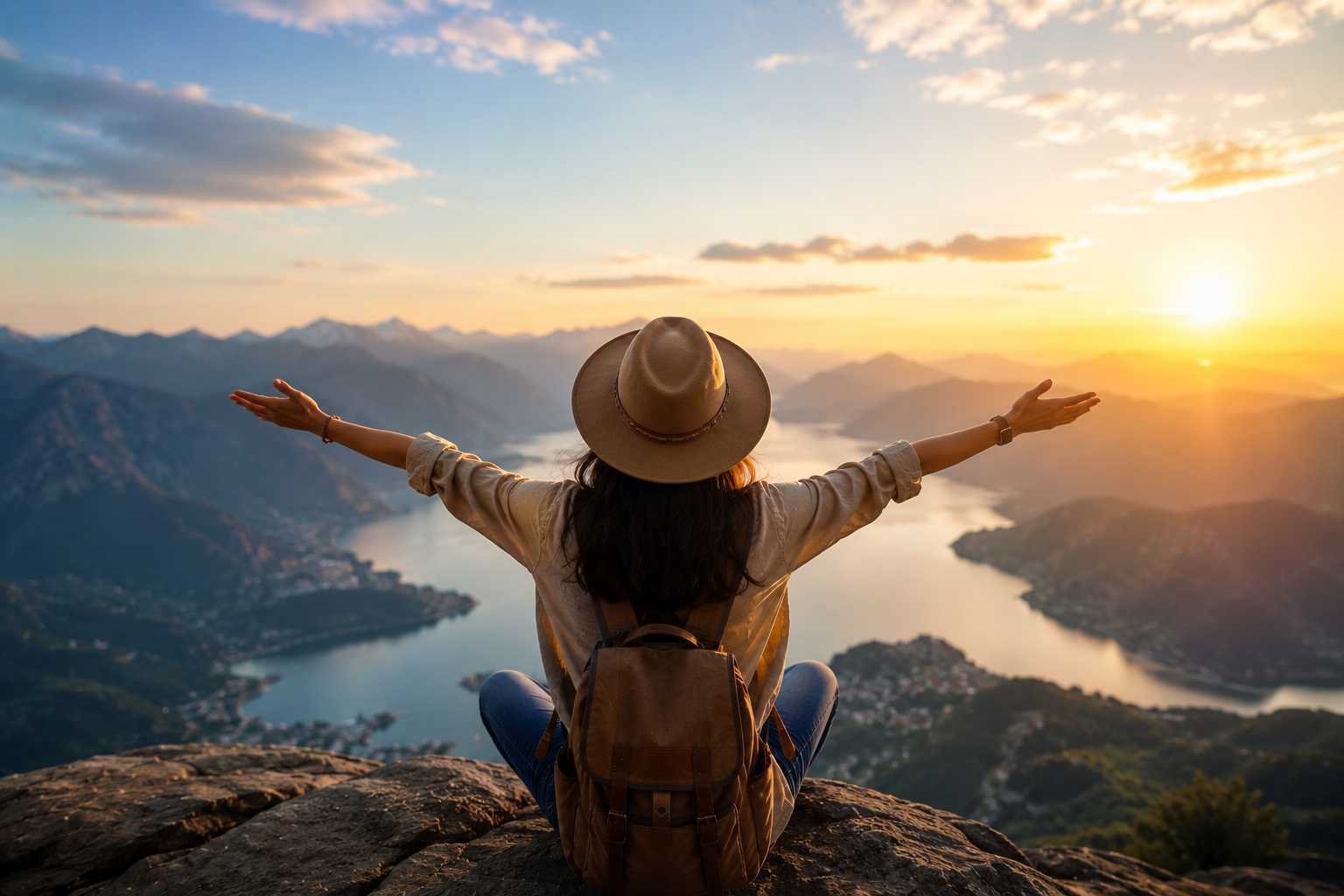

Solo travel is about more than boarding a plane without a companion.
It is the freedom to decide where to go, how long to stay, what to explore and when to change direction without negotiating someone else’s itinerary.
For some travellers, that freedom means waking before sunrise to photograph an empty city. For others, it means spending an entire afternoon inside a museum, joining a local food tour, working remotely from another country or simply sitting in a café watching everyday life unfold.
Travelling alone has also moved further into the mainstream. Booking.com reported in 2024 that 58% of surveyed travellers planned to travel alone that year, illustrating the growing appeal of independent journeys. Its 2026 travel predictions have since highlighted a wider movement toward highly personalized trips built around individual interests, goals and passions.
But the strongest solo travel experiences are rarely completely spontaneous.
Freedom becomes much more enjoyable when it is supported by research, sensible planning and an understanding of personal limits.
Why Solo Travel Has Become So Appealing
Modern travellers increasingly want experiences that reflect who they are rather than simply following standard itineraries.
That shift naturally supports solo journeys.
When travelling with friends or family, compromises are unavoidable.
One person wants to visit museums.
Another wants nightlife.
Someone wants an early start.
Someone else wants to sleep late.
Travelling alone removes much of that negotiation.
The itinerary becomes personal.
You can choose the destination because it interests you.
You can spend more on experiences that matter and save on those that do not.
You can change plans halfway through the day without affecting anyone else.
That flexibility is one of the greatest benefits of solo travel.
Solo Travel Gives You Complete Control of Your Time
Time feels different when you travel independently.
There is no need to wait for everyone to get ready.
There is no debate about where to eat.
There is no pressure to visit an attraction simply because everyone else wants to see it.
That freedom can transform the experience of a destination.
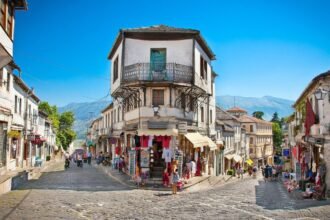
Imagine arriving in a historic neighbourhood and discovering a small gallery that was never part of your itinerary.
Travelling with a tightly organized group might mean walking past it.
Travelling alone means you can step inside.
The same applies to unexpected conversations, scenic walks, cafés, markets and local recommendations.
A flexible itinerary creates room for discovery.
The Confidence That Comes From Travelling Alone
One of the most meaningful benefits of solo travel is the confidence it can develop.
Independent travel requires decisions.
You navigate airports.
You understand transportation systems.
You communicate across language differences.
You solve small problems.
You manage a budget.
You adapt when plans change.
None of these tasks may seem extraordinary individually.
Together, they create a powerful realization:
You are capable of figuring things out.
That confidence can extend beyond travel.
The person who successfully navigates an unfamiliar city alone may feel more comfortable dealing with uncertainty elsewhere in life.
Solo travel does not eliminate fear.
It teaches you that uncertainty can be managed.
Travelling Alone Does Not Mean Being Lonely
One of the biggest misconceptions about solo travel is that it must be isolating.
In reality, independent travellers often have more opportunities to meet people.
When travelling with close friends, it is easy to remain inside the group.
A solo traveller may be more likely to speak with:
- Local residents
- Other travellers
- Tour guides
- Hostel guests
- Restaurant owners
- Workshop participants
- Fellow hikers
- People attending the same event
Group activities can be particularly useful.
Walking tours, food experiences, cooking classes, day trips, trekking groups and cultural workshops allow solo travellers to meet people without giving up their independence.
You can spend several hours with others and then continue your journey alone.
That balance is one of the unique advantages of solo travel.
How to Choose a Destination for Solo Travel
The best destination depends on the traveller.
There is no universal “best country for solo travel.”
A first-time solo traveller may prioritize simplicity.
An experienced traveller may actively seek complexity.
When comparing destinations, consider:
- Transportation
- Language accessibility
- Accommodation options
- Local customs
- Healthcare access
- Political stability
- Crime patterns
- Internet connectivity
- Cost
- Activities
- Seasonal weather
- Emergency infrastructure
Official travel guidance is also worth reviewing before an international trip.
The U.S. State Department, for example, recommends checking current destination advisories, entry requirements, local laws and relevant embassy or consular information before travelling.
Travellers from other countries should consult the equivalent official foreign affairs or government travel service available to them.
Start Small If It Is Your First Solo Trip
Your first solo travel experience does not need to involve flying across the world.
A weekend trip can be enough.
Choose a destination that feels unfamiliar but manageable.
You might visit:
- Another city in your country
- A nearby cultural destination
- A familiar region independently
- A destination with straightforward public transportation
- A place where you speak the language
A shorter first trip helps you understand how you respond to travelling alone.
You may discover that you love planning every hour.
Or you may discover that you prefer leaving half the day open.
Both are useful lessons before taking a longer international journey.
Plan the First 24 Hours Carefully
A completely unplanned itinerary sounds adventurous.
Arriving exhausted in an unfamiliar city without knowing how to reach your accommodation is usually less romantic.
For the first day, know:
- How you will leave the airport or station
- Where you are staying
- How long the journey should take
- What legitimate transport options are available
- When check-in begins
- How you will access money
- How you will connect to the internet
- What you will do if your phone stops working
Once you are settled, spontaneity becomes easier.
The objective is not to remove adventure.
It is to remove unnecessary confusion.
Choose Accommodation Strategically
Accommodation matters more when travelling alone because there is no companion available to compensate for a poor location or uncomfortable environment.
Price should not be the only consideration.
Research:
- Neighbourhood
- Transportation access
- Recent guest reviews
- Reception hours
- Security
- Walking routes
- Distance from major attractions
- Late-night accessibility
A cheaper room far outside the area you want to explore can create transportation costs and inconvenience that outweigh the savings.
For social travellers, hostels and guesthouses can make meeting people easier.
For travellers who value privacy, a well-located hotel or apartment may be more suitable.
The correct choice depends on how you want the trip to feel.
Safety Should Support Freedom, Not Eliminate It
Safety is one of the most important elements of solo travel.
Travelling independently does not mean constantly expecting something to go wrong.
It means creating habits that reduce unnecessary risk.
Government travel guidance recommends researching crime conditions, planning ahead, knowing the location of nearby police or medical facilities where relevant and being cautious about sharing detailed travel plans publicly while a trip is underway.
Practical habits can include:
- Sharing your itinerary with someone you trust
- Keeping digital copies of important documents
- Avoiding displaying expensive valuables unnecessarily
- Using reputable transport providers
- Staying aware of your surroundings
- Keeping emergency numbers accessible
- Knowing how to return to your accommodation
- Avoiding poorly lit or isolated areas when circumstances feel unsafe
- Keeping backup payment options separate
- Protecting your phone and travel accounts
Good safety planning should make travel feel more comfortable, not more frightening.
Solo Women Travellers May Need Additional Research
Women have travelled independently across the world for generations, but local conditions can vary considerably.
The U.S. State Department notes that women travellers can face additional health and security risks in some destinations and recommends researching local customs, laws and destination-specific concerns before departure.
Clothing expectations, transportation, nightlife culture and social norms can differ substantially between countries.
This does not mean avoiding entire regions automatically.
It means understanding the destination before arriving.
Reliable information is more useful than either fear or false reassurance.
Keep Your Documents and Money Organized
Losing a wallet is inconvenient when travelling with someone.
It becomes more complicated when you are alone.
Avoid keeping every important item in one place.
Consider separating:
- Primary payment card
- Backup payment card
- Cash
- Passport
- Identification
- Emergency contact information
Keep secure digital copies of important documents where appropriate.
Understand how to contact your bank and travel insurer if necessary.
International travel preparation guidance also recommends checking passport validity, entry requirements and other required documentation well before departure.
Small preparations can prevent a minor problem from becoming a major disruption.
Budgeting for Solo Travel Requires a Different Approach
Travelling alone provides flexibility, but it can occasionally cost more.
A couple can divide the price of a hotel room or taxi.
A solo traveller usually cannot.
Budget categories should include:
- Accommodation
- Transportation
- Food
- Activities
- Travel insurance
- Connectivity
- Emergency funds
- Visa costs where applicable
- Local taxes or fees
However, solo travellers also have complete control over spending decisions.
You can choose a modest lunch and spend more on a once-in-a-lifetime experience.
You can walk instead of taking a taxi.
You can stay longer in an affordable destination and leave an expensive city earlier than originally planned.
The budget becomes entirely your own.
Travel Insurance Deserves Serious Consideration
Travel can involve unexpected illness, cancellations, delays, lost baggage and other disruptions.
Official international travel guidance recommends considering travel insurance as part of trip planning.
Before buying a policy, read the details.
Check:
- Medical coverage
- Emergency evacuation
- Trip cancellation
- Trip interruption
- Baggage coverage
- Adventure activity exclusions
- Existing medical condition provisions
- Destination exclusions
Do not assume that every policy covers every activity.
A trekking holiday, scuba trip or motorbike journey may require different protection from a city break.
Technology Has Made Solo Travel Easier
Smartphones have fundamentally changed independent travel.
One device can now provide:
- Maps
- Translation
- Accommodation bookings
- Transport schedules
- Currency conversion
- Digital payments
- Flight information
- Emergency communication
- Restaurant discovery
- Travel documents
But complete dependence on one device creates its own vulnerability.
Download important information for offline use.
Carry a power bank.
Know the address of your accommodation without relying entirely on an active internet connection.
Write down essential emergency information if necessary.
Technology is most useful when it supports independence without becoming a single point of failure.
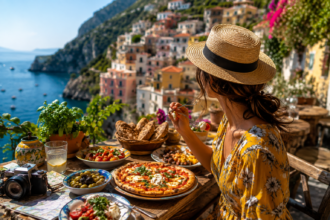
Learn to Eat Alone Comfortably
For some first-time solo travellers, eating alone feels more intimidating than navigating an airport.
It usually becomes normal quickly.
Start somewhere casual.
Sit at a counter.
Visit a market.
Bring a book.
Choose a restaurant where you can watch the kitchen or street.
Food tours can also provide an easy social experience.
Eventually, eating alone becomes another kind of freedom.
You choose exactly where to eat.
You order what interests you.
You leave whenever you want.
No committee meeting is required before dinner.
Leave Space for Spontaneity
Planning creates confidence.
Overplanning can remove the magic.
A strong solo travel itinerary includes both structure and empty space.
Book what genuinely needs advance reservations.
Leave other periods open.
A conversation with a local might introduce you to a neighbourhood you had never considered.
Another traveller may recommend a day trip.
Weather may make tomorrow better for hiking than today.
Flexibility allows you to respond.
That is one of the greatest privileges of travelling alone.
Respect Local Communities
Independent travel should not become self-centred travel.
Destinations are not products.
They are communities where people live, work, raise families and maintain traditions.
Booking.com’s 2025 sustainability research found that 53% of surveyed travellers were conscious of tourism’s impact on local communities as well as the environment.
Responsible solo travellers can contribute positively by:
- Supporting local businesses
- Learning basic local phrases
- Respecting religious sites
- Following photography rules
- Dressing appropriately when required
- Reducing unnecessary waste
- Avoiding disruptive behaviour
- Understanding tipping customs
- Respecting residential neighbourhoods
Travelling alone can create particularly meaningful cultural interactions because there is less social insulation between the traveller and the destination.
Treat that access responsibly.
Do Not Measure a Solo Trip by Social Media
A solo journey does not need to look impressive online.
You do not need photographs from every landmark.
You do not need to prove how adventurous you are.
In fact, sharing detailed real-time location information publicly can create unnecessary privacy and security risks. Official travel safety guidance recommends avoiding publication of detailed travel plans until after returning home.
Photograph the journey.
Share the memories.
But allow some experiences to remain private.
The purpose of solo travel is to experience independence, not perform it.
Learn When to Trust Your Instincts
Data and planning are valuable.
So is intuition.
A street may feel uncomfortable.
A driver may behave strangely.
A person may become too interested in where you are staying.
A situation may simply feel wrong.
You do not need to remain polite when personal safety is involved.
Leave.
Change transportation.
Enter a hotel, restaurant or populated public place.
Contact someone you trust.
Ask for assistance.
Travel safety guidance similarly encourages travellers to trust their instincts and have a plan for responding to uncomfortable situations.
Confidence includes knowing when to walk away.
Solo Travel Can Teach You What You Actually Enjoy
Group travel can disguise personal preferences.
Perhaps you assumed you enjoyed nightlife because your friends always went out.
Perhaps you thought museums were boring because the group rushed through them.
Perhaps you believed you disliked hiking because previous trips involved routes that were too demanding.
When travelling alone, those influences disappear.
You begin discovering your own travel style.
Maybe you prefer:
slow mornings and long walks
rather than
ten attractions in one day.
That knowledge makes every future journey better, whether you travel alone or with other people.
The Bigger Picture
The greatest gift of solo travel is not simply independence.
It is ownership of the journey.
You choose the destination.
You build the itinerary.
You decide when to change it.
You solve the problems.
You experience the unexpected moments.
And eventually, you realize that being alone in an unfamiliar place does not necessarily mean feeling isolated.
It can mean feeling exceptionally present.
Successful solo travel is not reckless spontaneity. It is informed freedom.
- Research the destination.
- Plan the essential details
- Protect your documents.
- Protect your documents.
- Understand local customs.
- Stay aware of personal safety.
- Leave room for unexpected opportunities.
And once those foundations are in place, give yourself permission to explore. The world feels different when there is nobody else deciding how you should experience it. Sometimes, the most memorable travel companion is simply your own curiosity.
Stay connected with Business Herald for the latest business news, insights, and updates.
Follow us on Facebook, Instagram, LinkedIn, and YouTube.
Join our growing community on WhatsApp and Telegram for real-time updates delivered directly to you.