

For many travellers, the best souvenirs aren’t things you pack in a suitcase. They’re flavours you carry in memory long after a trip ends. Culinary travel has grown from a niche interest into one of the most popular ways to explore a destination, turning meals into meaningful cultural experiences rather than simple pit stops between sightseeing.
This guide explores why culinary travel has become such a powerful way to experience the world, how to plan a trip around food, and where some of the most rewarding foodie adventures are waiting to be discovered.
Why Culinary Travel Has Become So Popular
Food has always been central to culture, but more travellers are now planning entire trips around it rather than treating meals as an afterthought. Culinary travel offers something sightseeing alone often can’t: a direct, sensory connection to a place’s history, geography, and traditions.
A single dish can reveal centuries of trade routes, agricultural practices, and cultural exchange in a way that’s immediate and memorable. This is part of why culinary travel resonates so strongly with people looking for deeper, more authentic travel experiences.
What Makes Food-Focused Travel So Rewarding
- Cultural insight: Local dishes often reflect a region’s history, climate, and available ingredients.
- Authentic connection: Food markets and family-run restaurants offer genuine interaction with locals.
- Sensory memory: Taste and smell create lasting impressions that photos alone rarely capture.
- Flexible exploration: Culinary experiences can be woven into almost any type of trip, from budget backpacking to luxury travel.
Planning a Culinary Travel Itinerary
Successful culinary travel doesn’t require an elaborate plan, but a little intention goes a long way. Building food experiences into your itinerary helps ensure you don’t default to convenient, tourist-heavy options out of time pressure.
Tips for Building a Food-Focused Trip
- Research regional specialties before you go, so you know what dishes are worth seeking out.
- Prioritize local markets, which often offer the freshest ingredients and the most authentic street food.
- Balance planned meals with spontaneity, leaving room to follow recommendations from locals along the way.
- Consider a food tour or cooking class, which often provides context you wouldn’t get from a menu alone.
- Travel during harvest or festival seasons, when regional specialties are often at their best.
Street Food: The Heart of Culinary Travel
Street food often sits at the center of culinary travel, offering some of the most authentic and affordable ways to experience local cuisine. From bustling night markets to simple roadside stalls, street food frequently reflects a region’s everyday culinary identity far more accurately than formal restaurants aimed at tourists.
Trying street food also encourages a different kind of travel pace, one built around wandering, observing, and following your senses rather than sticking rigidly to a planned route.
Food Markets as Cultural Windows
Local markets offer some of the richest experiences within culinary travel. Beyond simply buying ingredients or snacks, markets reveal how a community shops, cooks, and gathers on a daily basis.
Walking through a market often introduces travellers to unfamiliar produce, regional spices, and traditional cooking methods that rarely appear on standard restaurant menus. Many markets also double as social hubs, offering opportunities for genuine, unplanned conversations with vendors and fellow shoppers.
Cooking Classes and Hands-On Experiences
For travellers who want to go beyond eating, hands-on cooking classes have become a defining feature of modern culinary travel. These experiences allow visitors to learn traditional techniques directly from local cooks, often using recipes passed down through generations.
Beyond the practical skills gained, cooking classes frequently include stories and context that deepen understanding of why certain ingredients or methods matter culturally, turning a simple lesson into a memorable cultural exchange.
Wine, Coffee, and Beverage Trails
Culinary travel extends well beyond solid food. Wine regions, coffee farms, and tea plantations have become popular destinations in their own right, offering guided tastings that combine flavour exploration with insight into local agriculture and history.
These beverage-focused experiences often pair naturally with broader food itineraries, giving travellers a fuller picture of a region’s culinary identity from farm to table.
Balancing Adventure with Food Safety
Part of embracing culinary travel responsibly means being mindful of food safety, particularly when trying unfamiliar street food or markets abroad. A few simple habits can help travellers enjoy bold culinary experiences with fewer risks:
- Choose stalls and vendors with high turnover and visibly fresh ingredients.
- Stick to freshly cooked, hot food rather than items sitting out for extended periods.
- Carry basic digestive remedies for unfamiliar cuisines, just in case.
- Stay attentive to how locals eat, since busy, well-loved spots are often a good sign.
Culinary Travel Destinations Worth Exploring
While food-focused travel can be found nearly anywhere, certain regions have built strong reputations around culinary travel specifically:
- Southeast Asia, known for vibrant street food culture and bold, complex flavours.
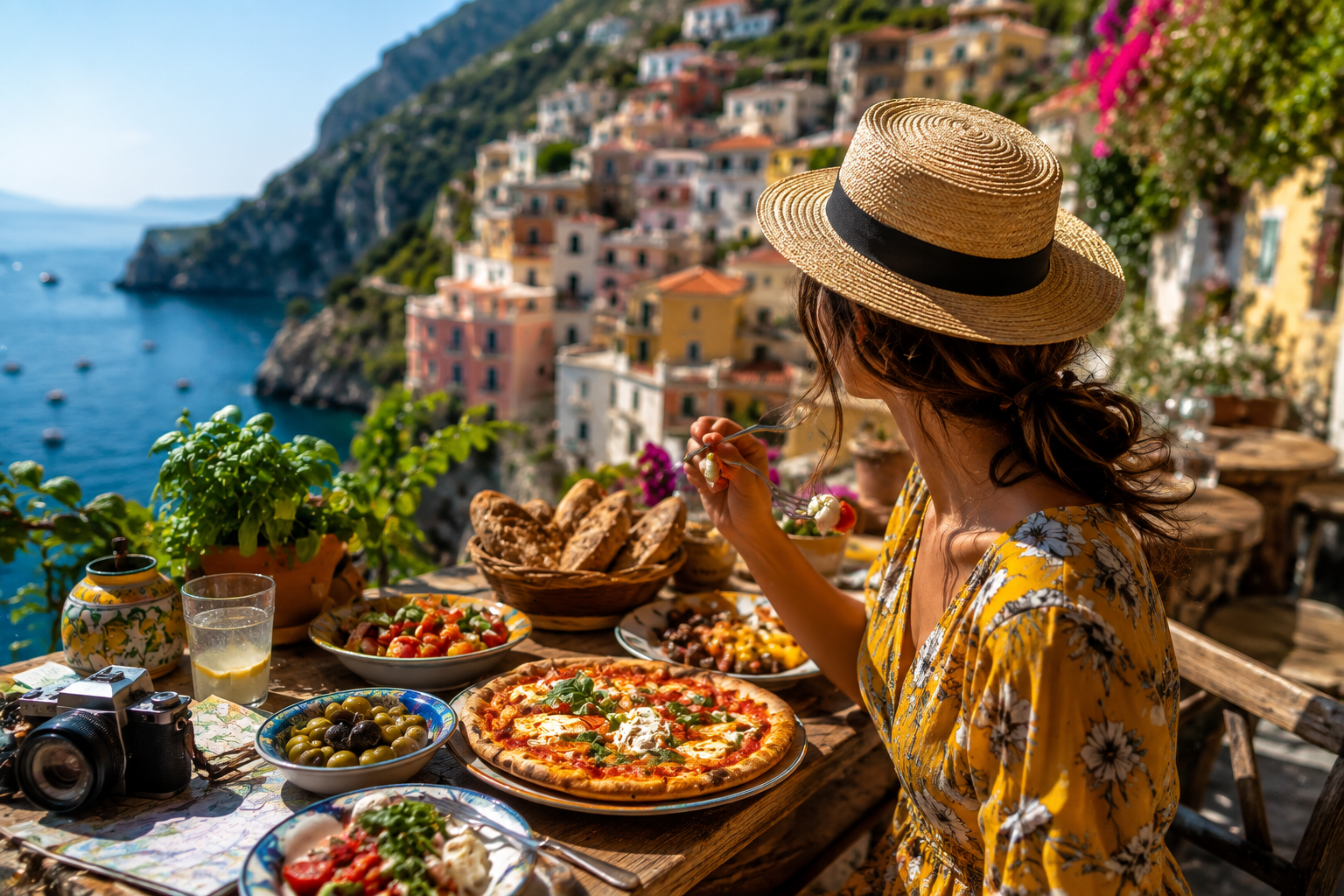
- Italy, where regional specialties vary dramatically from north to south.
- Mexico, offering deep culinary traditions rooted in indigenous and colonial history.
- France, with its strong emphasis on technique, seasonality, and regional identity.
- Japan, blending meticulous craftsmanship with deep respect for ingredients and presentation.
Turning Any Trip Into a Foodie Adventure
You don’t need to plan an entire trip solely around food to enjoy the benefits of culinary travel. Even small adjustments, like choosing one meal a day based on local recommendations rather than convenience, can transform an ordinary itinerary into a richer, more memorable experience.
Ultimately, food offers one of the most direct paths into understanding a place, its people, and its history. Whether it’s a bowl of street noodles, a home-cooked meal shared with a local family, or a carefully paired regional wine, these are the moments that often become the most vivid memories of any trip.
Stay connected with Business Herald for the latest business news, insights, and updates.
Follow us on Facebook, Instagram, LinkedIn, and YouTube.
Join our growing community on WhatsApp and Telegram for real-time updates delivered directly to you.