
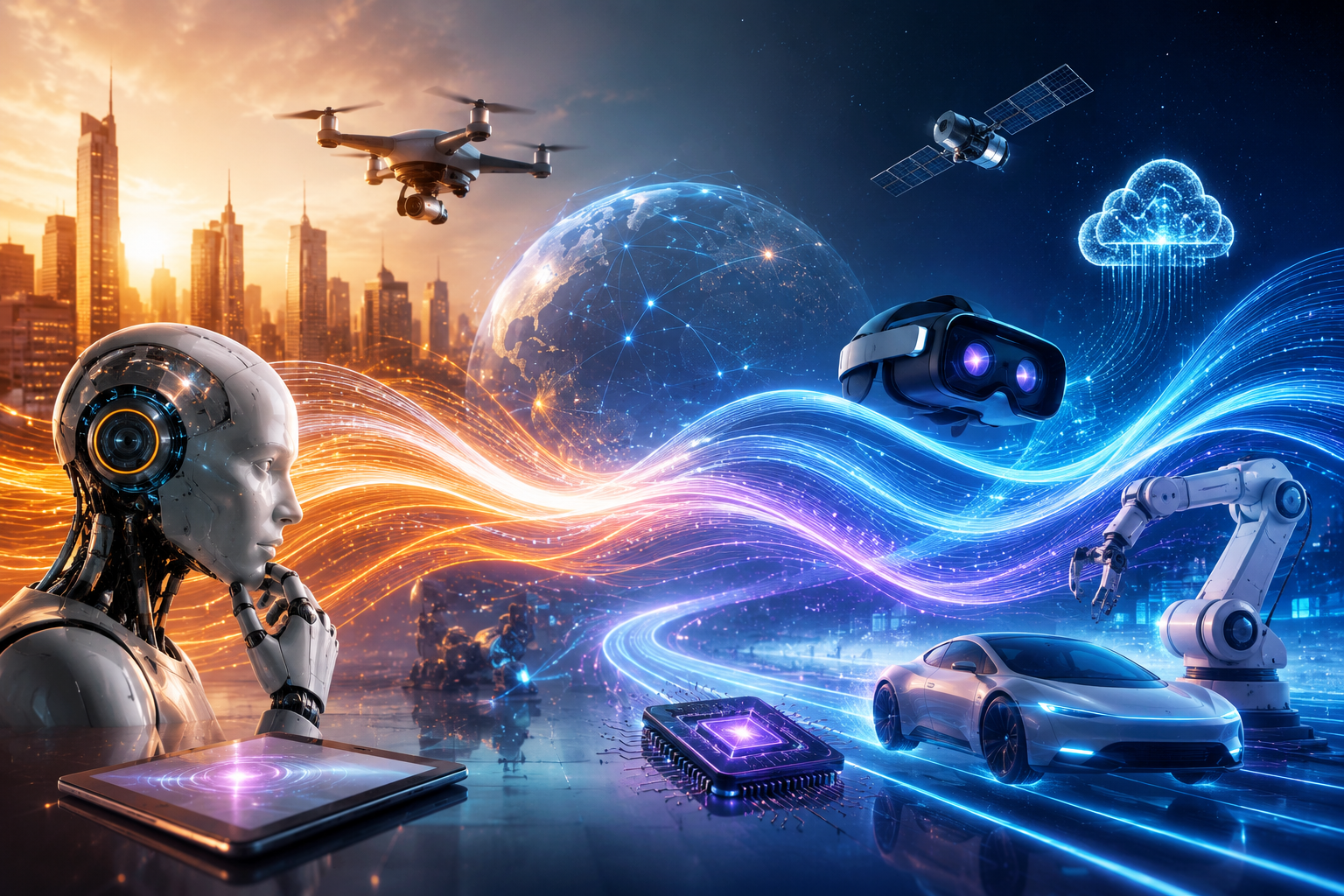

Every decade brings a handful of inventions that change how we live. But right now, modern technology trends are arriving faster and overlapping more than ever before. Artificial intelligence, quantum computing, 5G connectivity, and immersive digital experiences are no longer separate stories — they are converging into a single, powerful wave that is reshaping business, healthcare, education, and everyday life.
In this article, we’ll break down the most significant modern technology trends, explain why they matter, and explore how individuals and organizations can ride this transformative wave rather than be swept under by it.
Why Modern Technology Trends Matter More Than Ever
Technology adoption used to take years, sometimes decades. Today, a new tool can go from prototype to mainstream use in a matter of months. This acceleration means that understanding modern technology trends isn’t just useful for engineers and tech enthusiasts — it’s essential for anyone who wants to stay relevant in their career, industry, or personal life.
Three forces are driving this rapid change:
- Cheaper computing power that makes advanced tools accessible to smaller businesses and individuals.
- Massive data availability that fuels smarter algorithms and better decision-making.
- Global connectivity that lets innovations spread across borders almost instantly.
Together, these forces are why we’re seeing such a dramatic shift — a true transformative wave rather than isolated breakthroughs.
The Rise of Artificial Intelligence and Automation
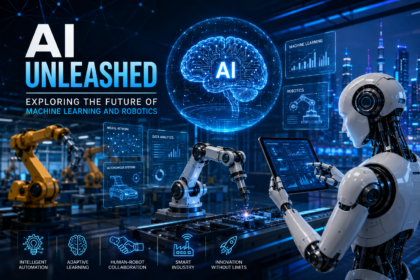
Artificial intelligence sits at the center of nearly every conversation about modern technology trends, and for good reason. AI-powered tools now write content, diagnose medical conditions, manage supply chains, and even assist in creative fields like art and music.
Businesses are using automation not just to cut costs but to unlock capabilities that simply weren’t possible before. Customer service chatbots handle thousands of queries simultaneously. Predictive analytics help retailers anticipate demand before it happens. Machine learning models detect fraud in milliseconds.
Practical Applications of AI Today
- Healthcare: AI-assisted diagnostics are improving early detection of diseases.
- Finance: Algorithms flag suspicious transactions in real time.
- Retail: Personalized recommendations increase customer engagement and sales.
- Manufacturing: Predictive maintenance reduces equipment downtime.
5G, Connectivity, and the Internet of Things
Faster networks are the invisible backbone behind many modern technology trends. 5G connectivity enables near-instant data transfer, which is critical for technologies like autonomous vehicles, remote surgery, and smart cities.
The Internet of Things (IoT) — a network of connected devices from thermostats to industrial sensors — depends heavily on this improved connectivity. As more devices come online, homes and workplaces become increasingly automated, efficient, and responsive to real-time data.
Quantum Computing: The Next Frontier
While still emerging, quantum computing represents one of the most exciting modern technology trends on the horizon. Unlike traditional computers that process information in binary bits, quantum computers use qubits, allowing them to solve complex problems exponentially faster.
Industries like pharmaceuticals, logistics, and cybersecurity are watching this space closely. Drug discovery that once took years could potentially be compressed into weeks once quantum computing matures further.
Immersive Technology: AR, VR, and the Metaverse
Augmented reality (AR) and virtual reality (VR) are transforming how people learn, shop, and socialize. From virtual try-on features in online shopping to immersive training simulations for surgeons and pilots, immersive technology is proving to be far more than entertainment.
These tools blur the line between physical and digital experiences, offering businesses new ways to engage customers and train employees safely and efficiently.
Cybersecurity in an Era of Rapid Change
With every wave of innovation comes new risk. As modern technology trends accelerate, cybersecurity has become a non-negotiable priority. Organizations are investing heavily in zero-trust architectures, AI-driven threat detection, and employee training to defend against increasingly sophisticated attacks.
Staying ahead in technology now means staying ahead in security — the two can no longer be treated as separate concerns.
How to Stay Ahead of the Curve
Keeping pace with modern technology trends doesn’t require becoming an expert in every field. Instead, focus on these practical steps:
- Stay curious — follow credible tech news sources and industry reports.
- Experiment early — try new tools in low-risk settings before full adoption.
- Invest in skills — digital literacy and data fluency are becoming baseline requirements.
- Prioritize security — build safe habits around new technology from day one.
- Think long-term — evaluate trends based on lasting value, not just hype.
Final Thoughts
The transformative waves moving through modern technology trends are not slowing down. Artificial intelligence, 5G connectivity, quantum computing, and immersive experiences are converging to reshape how we work, learn, and connect. Rather than viewing this change as overwhelming, individuals and businesses that stay informed and adaptable will find themselves best positioned to benefit from what comes next.
The future of technology isn’t a distant concept it is unfolding right now, one transformative wave at a time.
Stay connected with Business Herald for the latest business news, insights, and updates.
Follow us on Facebook, Instagram, LinkedIn, and YouTube.
Join our growing community on WhatsApp and Telegram for real-time updates delivered directly to you.